
Fashion in 2026 reflects a world that has changed rapidly over the last few years. Consumers are more informed, values matter more than ever, and technology has become deeply woven into everyday life. As a result, fashion is no longer driven only by runway aesthetics or celebrity influence. Instead, it is shaped by sustainability, innovation, inclusivity, and personal identity.
The fashion trends of 2026 signal a shift toward smarter design, emotional connection, and long-term value. This year is not about following rules but about redefining them.
Sustainability as a Core Fashion Principle
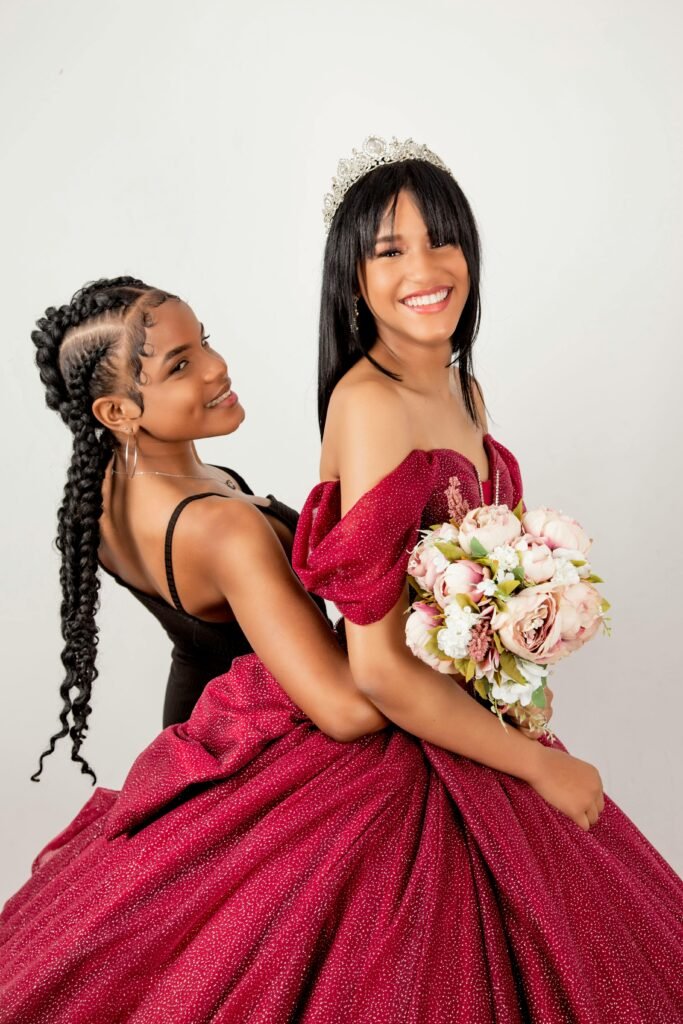
By 2026, sustainability is no longer a marketing buzzword—it is a baseline expectation. Shoppers actively research how clothes are made, where materials come from, and how brands treat workers and the environment. Fashion brands are responding by rethinking production from the ground up.
Eco-friendly materials such as recycled fibers, regenerative cotton, and bio-engineered fabrics are becoming standard. Many brands are moving toward closed-loop systems, where garments are designed to be reused, repaired, or recycled at the end of their life cycle. Instead of producing large seasonal collections, designers are focusing on fewer, better-quality pieces that remain relevant beyond trends.
This shift marks the decline of disposable fashion and the rise of intentional wardrobes built on durability and ethics.
Technology Redefines How Clothing Functions
One of the most exciting developments in 2026 fashion is the integration of technology into everyday clothing. Smart textiles are no longer experimental—they are practical and stylish. These fabrics can regulate body temperature, adapt to climate changes, and improve comfort throughout the day.
Activewear and everyday apparel increasingly include features such as posture support, moisture control, and movement optimization. Some garments are designed to connect with mobile devices, allowing users to access product information, verify authenticity, or interact with digital platforms.
Fashion is no longer passive. In 2026, clothing works with the body and lifestyle of the wearer.
Gender-Neutral Fashion Moves Into the Mainstream
Fashion 2026 continues to challenge traditional ideas around gender. Rather than separating collections into “men’s” and “women’s” categories, many brands are embracing gender-neutral design as a creative and commercial standard.
Silhouettes are more fluid, focusing on comfort, layering, and versatility. Tailoring is relaxed, colors are intentionally balanced, and sizing is more inclusive. This approach allows individuals to choose clothing based on preference and expression rather than labels.
The rise of gender-neutral fashion reflects a broader cultural shift toward acceptance, diversity, and authenticity—values that strongly influence modern consumers.
Digital Fashion and Virtual Identity
The concept of fashion has expanded beyond physical clothing. In 2026, digital fashion plays a growing role in how people express themselves online. Virtual outfits are worn in digital spaces such as social media, gaming platforms, and immersive virtual environments.
Digital fashion allows for unlimited creativity without physical waste. Designers can experiment with bold shapes, futuristic materials, and artistic concepts that are impossible to produce in the real world. Consumers, especially younger generations, embrace digital fashion as part of their online identity.
Virtual try-ons using augmented reality are also becoming common, helping shoppers make better purchasing decisions while reducing returns and waste.
A Return to Craft, Culture, and Storytelling
While technology pushes fashion forward, 2026 also sees a strong return to tradition and craftsmanship. Consumers are drawn to clothing with meaning—pieces that tell a story through design, technique, or cultural inspiration.
Handcrafted details, regional textiles, and artisan collaborations are gaining popularity. Instead of mass-produced sameness, people seek uniqueness and emotional connection. Small-batch production and made-to-order fashion support this demand while reducing overproduction.
Fashion becomes more personal, reflecting heritage, artistry, and human skill.
Bold Expression Replaces Minimal Uniformity
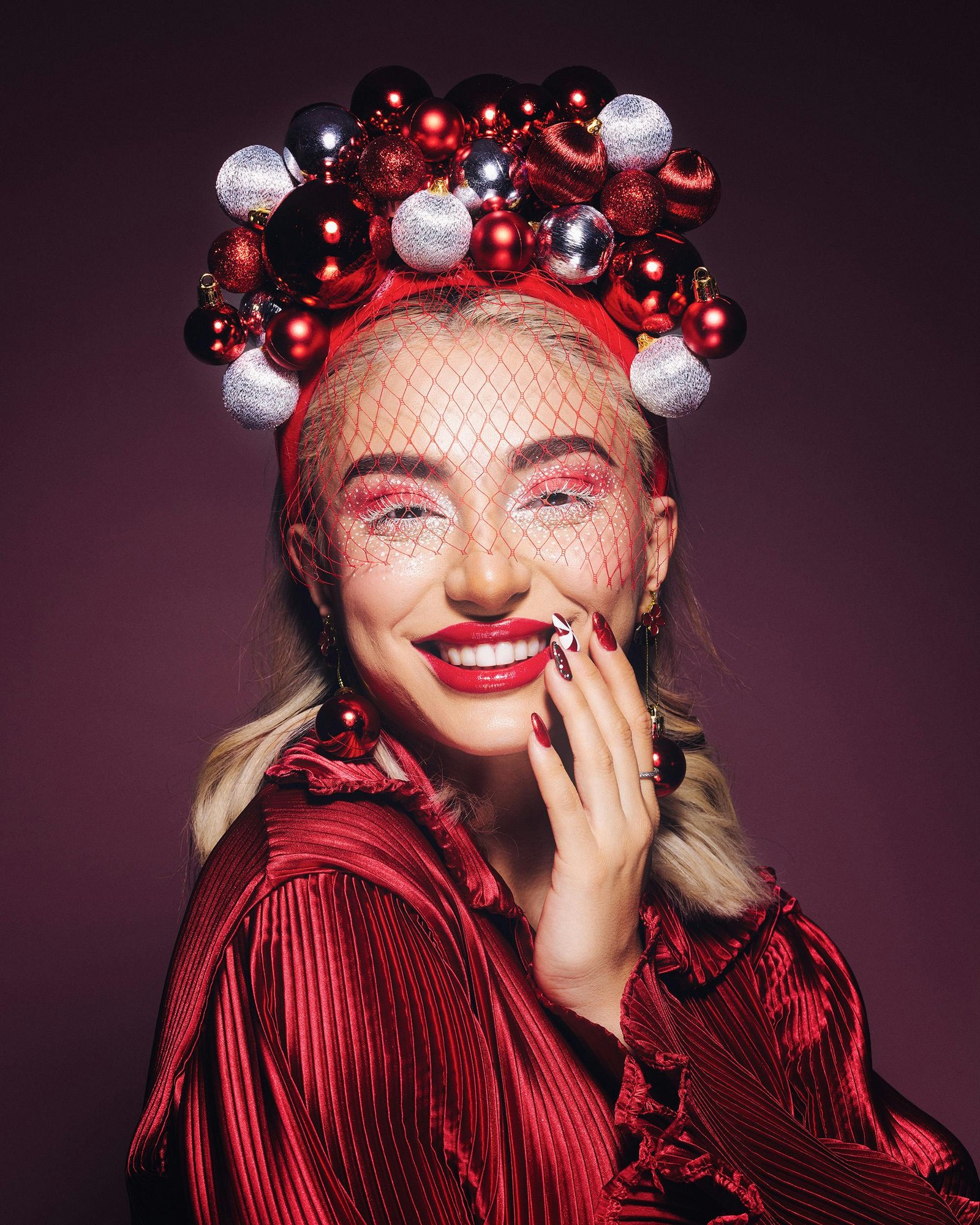
After years of neutral tones and minimalist aesthetics, 2026 welcomes a more expressive approach to style. Fashion embraces color, texture, and individuality. This does not mean chaos—it means intentional creativity.
Bright hues, layered fabrics, and statement pieces are balanced with clean construction and thoughtful styling. Metallic finishes, experimental cuts, and mixed materials appear across both casual and formal wear. Accessories play a stronger role, allowing individuals to personalize even simple outfits.
Fashion becomes a form of self-expression rather than conformity.
Comfort-Driven Design for Modern Lifestyles
Lifestyle changes have permanently influenced how people dress. In 2026, comfort remains a key priority, but it is elevated through design and quality. Clothing is versatile, adaptable, and suitable for multiple settings.
Hybrid fashion—pieces that transition between work, leisure, and social settings—is in high demand. Soft tailoring, stretch fabrics, and breathable materials dominate collections. Shoes prioritize ergonomics without sacrificing style.
This focus reflects a desire for balance between appearance and well-being.
The Transformation of Fashion Retail
Fashion retail in 2026 is more personalized and experience-driven. Artificial intelligence helps brands understand customer preferences, offering tailored recommendations and styling advice. Online and offline shopping experiences are increasingly connected.
Physical stores evolve into experiential spaces where customers can interact with products, learn about materials, and connect with brand values. Sustainability information, transparency, and community engagement play a crucial role in building trust.
Shopping becomes less about impulse and more about relationship.
What Fashion Trends 2026 Represent
Fashion trends in 2026 represent more than seasonal change. They reflect a global shift in mindset—toward responsibility, inclusivity, and thoughtful innovation. Style is no longer defined by excess or exclusivity but by meaning, adaptability, and personal connection.
The future of fashion lies in balance: blending technology with humanity, creativity with purpose, and individuality with global awareness.

Final Thoughts
Fashion in 2026 is smarter, deeper, and more human. It empowers individuals to express who they are while making conscious choices about the world they live in. As trends continue to evolve, one thing is clear: fashion is no longer just about what we wear—it’s about how we live, think, and connect.