


Fashion in 2026 is no longer driven only by aesthetics or seasonal trends. It reflects a deeper shift in how people live, work, and express identity. Today’s consumers expect fashion to be intelligent, ethical, adaptable, and meaningful. As a result, the industry is evolving into something more thoughtful and future-focused than ever before.
From sustainability and technology to inclusivity and emotional design, fashion in 2026 represents a powerful transformation.
Sustainability as a Design Foundation
Sustainability in 2026 is not an optional feature—it is built into the design process from the very beginning. Brands are choosing materials and production methods that reduce environmental impact while improving garment quality.
Recycled fibers, regenerative cotton, plant-based leather, and biodegradable textiles are widely used. Designers now think about what happens to clothing after its life cycle ends. Repairability, resale, and recycling are part of the garment’s story.
Consumers are also changing their behavior. Instead of buying frequently, people invest in fewer pieces that last longer and remain relevant across seasons. Fashion becomes a long-term relationship rather than a short-term trend.
Technology That Enhances Everyday Wear
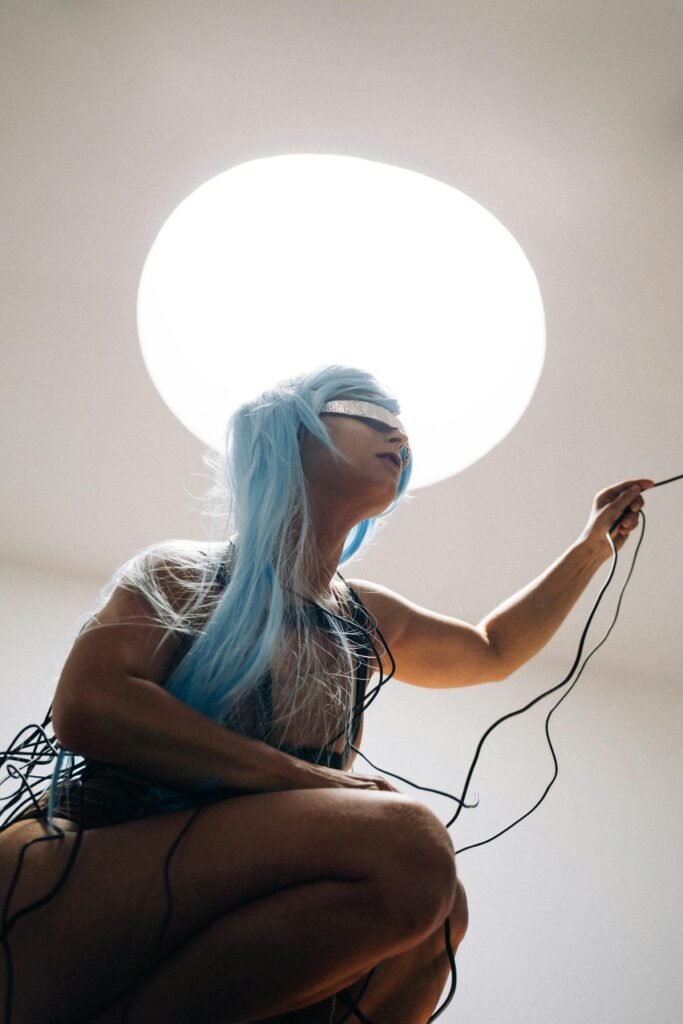
Technology plays a central role in fashion 2026, but it no longer feels futuristic or experimental. Smart fabrics are integrated subtly, enhancing comfort and performance without altering style.
Clothing can now adapt to temperature changes, manage moisture, and support movement throughout the day. Some garments connect digitally, allowing wearers to verify authenticity, access care instructions, or interact with brand experiences.
This fusion of fashion and technology creates clothing that works with the wearer’s lifestyle instead of restricting it.
Inclusive and Gender-Neutral Fashion
Traditional fashion boundaries continue to dissolve in 2026. Gender-neutral clothing is widely accepted, offering flexible silhouettes that prioritize comfort, individuality, and expression.
Designers focus on fluid shapes, adjustable fits, and inclusive sizing. Rather than designing for a specific gender, brands design for people. This shift reflects broader cultural values of acceptance and self-definition.
Fashion becomes a space where everyone feels represented, not categorized.
Bold Expression Meets Thoughtful Design
While sustainability and function are important, creativity remains central to fashion in 2026. Designers embrace color, texture, and form in new ways.
Bright tones, layered materials, and expressive cuts appear across collections. However, boldness is balanced with intention. Each design choice has purpose—whether emotional, cultural, or functional.
Fashion encourages individuality rather than uniformity, allowing personal style to evolve freely.

The Meaning of Fashion in 2026
Fashion in 2026 is about alignment—between values and aesthetics, technology and humanity, creativity and responsibility. It reflects a world that wants progress without compromise.
Clothing becomes more than something we wear. It becomes a reflection of how we think, live, and connect with the future.