

Travel is more than visiting new places—it is about discovering new perspectives, cultures, and parts of yourself. In a fast-moving world where routines dominate daily life, travel offers a pause, a reset, and an opportunity to reconnect with curiosity. Whether it’s a quiet mountain town, a vibrant city, or a remote coastal village, every journey leaves a lasting imprint.
In recent years, travel has evolved from luxury to necessity. People now travel not just to escape, but to experience, learn, and grow. The modern traveler seeks meaning, authenticity, and connection rather than simply ticking destinations off a list.

Travel as a Path to Personal Growth
One of the most powerful aspects of travel is how it shapes personal growth. Stepping into unfamiliar environments pushes people beyond comfort zones. Simple tasks—navigating local transport, communicating in a different language, or adapting to new customs—build confidence and independence.
Travel encourages flexibility and patience. Plans change, weather shifts, and unexpected challenges arise. Learning to adapt in these moments develops resilience and problem-solving skills that extend far beyond the journey itself.
More importantly, travel fosters empathy. Experiencing different lifestyles and traditions broadens understanding and appreciation for diversity, reminding us that there are many ways to live a fulfilling life.
Cultural Immersion and Meaningful Experiences
Modern travel is moving away from surface-level sightseeing toward cultural immersion. Travelers want to experience destinations through local food, traditions, music, and daily life.
Staying in locally owned accommodations, eating at neighborhood restaurants, and participating in cultural activities offer deeper insights than guidebook attractions alone. These experiences create genuine connections with people and places, transforming trips into memorable stories rather than photographs.
Cultural immersion also supports local communities. Choosing responsible tourism helps preserve traditions, generate income, and maintain the authenticity that makes destinations unique.
Slow Travel: Quality Over Quantity
In contrast to rushed itineraries, slow travel has gained popularity among travelers seeking depth over speed. Instead of visiting multiple destinations in a short time, slow travel focuses on spending more time in one place.
This approach allows travelers to truly understand their surroundings—learning local rhythms, discovering hidden spots, and forming connections with residents. Slow travel reduces stress and encourages mindfulness, making journeys more enriching and less exhausting.
By traveling slower, people also reduce environmental impact, making it a more sustainable way to explore the world.
Nature and the Need to Disconnect
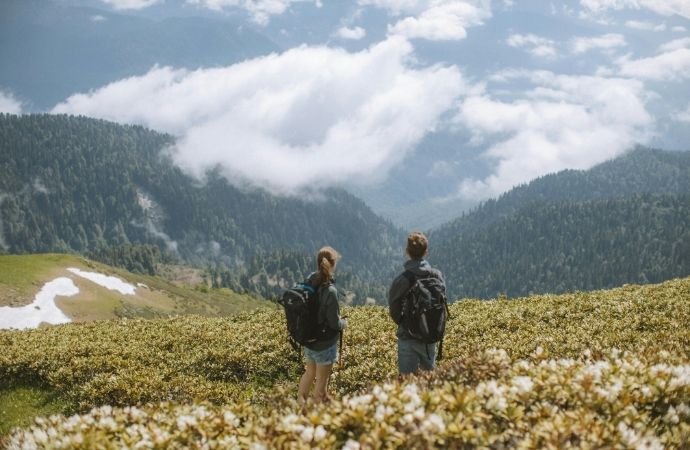
As digital life becomes increasingly dominant, travel provides an opportunity to reconnect with nature. Mountains, forests, beaches, and deserts offer a sense of calm that technology cannot replicate.
Nature-based travel encourages reflection and well-being. Hiking trails, ocean waves, and star-filled skies remind travelers of simplicity and balance. Many people return from nature-focused trips feeling refreshed, inspired, and mentally restored.
This growing desire for natural experiences highlights travel’s role in mental and emotional wellness.
Food as a Gateway to Culture
Food is one of the most powerful ways to experience a destination. Local cuisine reflects history, climate, and tradition. Trying regional dishes introduces travelers to flavors and techniques that tell stories of the land and its people.
From street food stalls to family-run restaurants, food creates shared moments and connections. Cooking classes, market visits, and food tours deepen cultural understanding and create lasting memories.
Traveling through food allows people to connect across language barriers, proving that shared meals unite cultures worldwide.
Sustainable and Responsible Travel
As travel grows, so does awareness of its impact. Responsible travel in today’s world means making conscious choices that protect environments and respect local communities.
This includes reducing waste, conserving resources, supporting local businesses, and respecting cultural norms. Travelers are increasingly choosing eco-friendly accommodations, low-impact transportation, and ethical tour operators.
Sustainable travel ensures that destinations remain vibrant and accessible for future generations while preserving their natural and cultural heritage.
Solo Travel and Self-Discovery
Solo travel has become a transformative experience for many. Traveling alone allows individuals to move at their own pace, make independent decisions, and reflect deeply.
It builds self-reliance and confidence while offering freedom to explore personal interests. Solo travelers often form meaningful connections with locals and fellow travelers, as openness invites interaction.
This form of travel is not about isolation but about discovering inner strength and clarity through experience.
The Role of Technology in Modern Travel
Technology has reshaped how people travel. Online bookings, digital maps, translation apps, and travel communities make journeys more accessible and informed.
Social media inspires destinations and helps travelers share experiences, while digital tools simplify planning and navigation. However, many travelers now balance technology with intentional disconnection, using it as a tool rather than a distraction.
The goal is to enhance experiences without overshadowing the present moment.
Travel Memories That Last a Lifetime
What makes travel truly special is not the destination itself but the memories created along the way. Conversations with strangers, unexpected detours, and quiet moments of reflection often leave the strongest impressions.
Travel teaches that happiness is found in experiences, not possessions. The lessons learned—adaptability, empathy, curiosity—remain long after the journey ends.
These memories shape how people see the world and themselves.

Conclusion: Why Travel Will Always Matter
Travel is not just about movement—it’s about transformation. It opens minds, challenges assumptions, and nurtures appreciation for the world’s diversity. In every journey lies an opportunity to learn, connect, and grow.
As travel continues to evolve, its core purpose remains unchanged: to remind us of the beauty beyond our routines and the shared humanity that connects us all.
In the end, travel doesn’t just change where you are—it changes who you become.