

Fashion in the modern era is no longer defined by runways alone. It has transformed into a powerful form of self-expression that blends creativity, culture, technology, and responsibility. Today’s fashion landscape is dynamic, inclusive, and deeply personal, reflecting how society itself is evolving. What we wear now communicates not only our sense of style but also our values, beliefs, and lifestyle choices.
Fashion as a Reflection of Identity
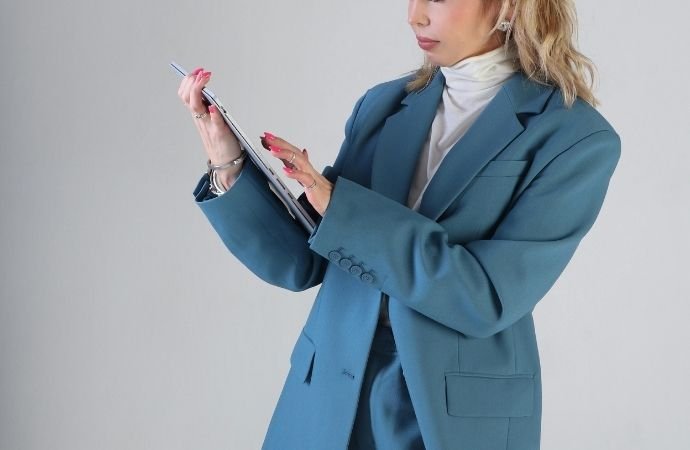
In the past, fashion trends were rigid and followed universally. Designers dictated what was “in,” and consumers followed season after season. Today, individuality has replaced uniformity. People curate wardrobes that reflect their personalities rather than copying trends blindly. Personal style has become more important than fashion rules.
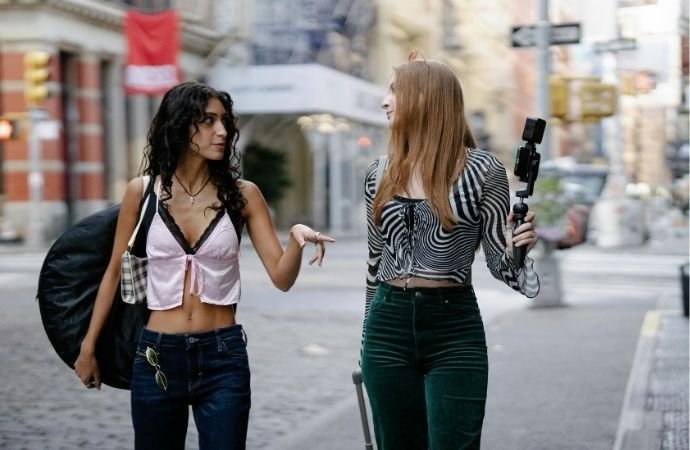
Social media has amplified this shift. Influencers, creators, and everyday individuals showcase their styles online, inspiring millions across borders. Fashion has become democratic—anyone with creativity can influence global style narratives. This cultural shift has allowed people to feel confident expressing themselves authentically.
The Rise of Inclusive Fashion
Inclusivity has become a central pillar of modern fashion. Brands are expanding size ranges, celebrating diverse body types, and representing people from different backgrounds, ages, and abilities. Fashion is no longer exclusive to a specific ideal; it now embraces real people and real lives.
Gender-neutral fashion is another powerful movement shaping the industry. Designers are challenging traditional norms by creating collections that focus on comfort, silhouette, and expression rather than gender labels. This freedom allows individuals to dress based on how they feel, not how society expects them to look.
Sustainability: A Fashion Necessity
Sustainability is no longer a trend—it is a responsibility. Fast fashion has raised serious concerns about environmental damage, waste, and unethical labor practices. Modern consumers are becoming more conscious and informed, demanding transparency from brands.
Eco-friendly fabrics, ethical production methods, and slow fashion principles are reshaping the industry. Many people now prefer quality over quantity, investing in timeless pieces that last longer. Thrift shopping, clothing swaps, and upcycling have also gained popularity, making sustainability stylish.
Fashion brands that prioritize sustainability are building stronger trust with consumers. Wearing sustainable fashion is not just about looking good—it is about making a positive impact.
Technology’s Impact on Fashion
Technology has revolutionized the way fashion is designed, produced, and consumed. Artificial intelligence helps brands predict trends and personalize shopping experiences. Virtual try-on tools and augmented reality allow customers to visualize outfits before purchasing, reducing returns and waste.
Digital fashion shows, online styling services, and smart textiles are redefining innovation. Wearable technology, such as smart watches and fitness-integrated clothing, blends functionality with fashion, proving that clothing can be both stylish and intelligent.
Cultural Influence and Global Inspiration
Modern fashion draws inspiration from cultures around the world. Traditional patterns, craftsmanship, and heritage designs are being reimagined in contemporary ways. This global influence adds richness and depth to fashion, making it a storytelling medium.
However, responsible representation is essential. Ethical collaborations with artisans and respect for cultural origins ensure fashion remains appreciative rather than exploitative. When done right, fashion becomes a bridge connecting cultures.
The Future of Fashion
The future of fashion lies in innovation, inclusivity, and consciousness. Consumers are becoming more intentional about their choices, and brands are adapting to meet these expectations. Fashion will continue to evolve, but its purpose will remain rooted in self-expression and creativity.
Conclusion
Modern fashion is a powerful blend of style, identity, and responsibility. It allows individuals to express who they are while supporting values that matter. As fashion continues to evolve, it becomes clear that true style is not about following trends—it is about embracing authenticity, sustainability, and confidence.