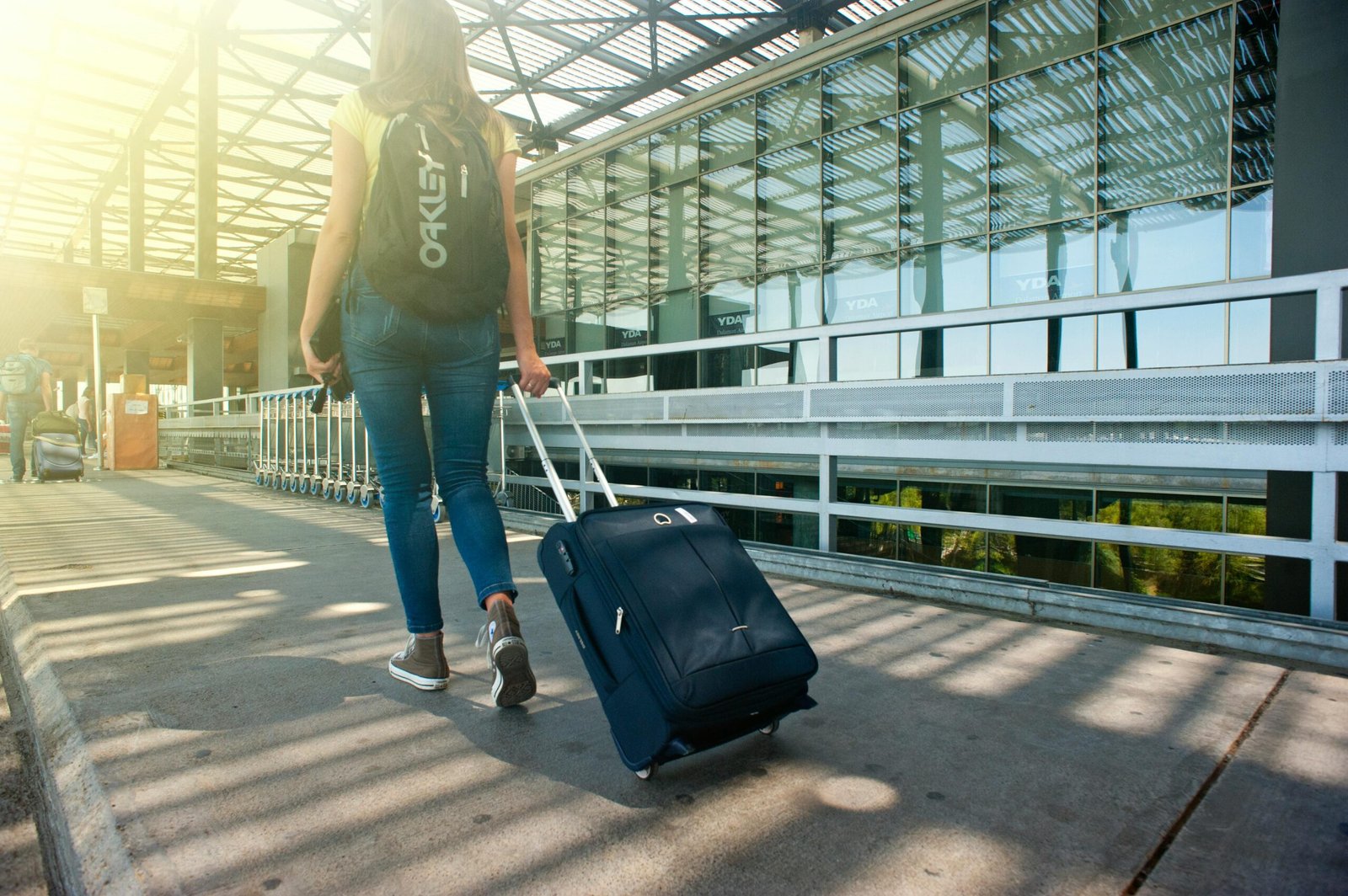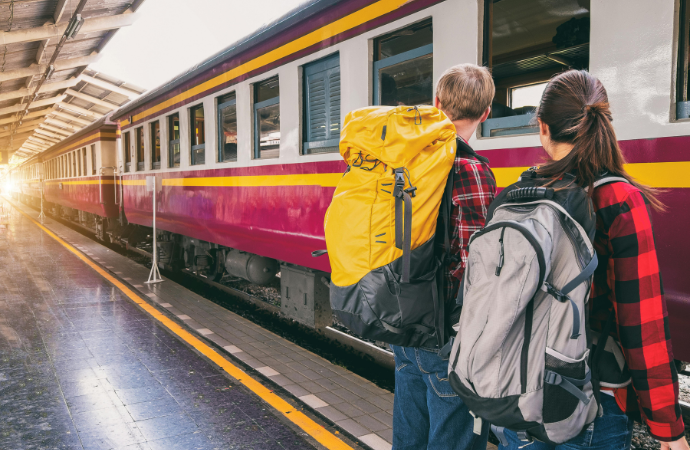


Travel today is no longer just about reaching a destination. It has become a deeply personal experience shaped by intention, awareness, and connection. Modern travelers are redefining what it means to explore the world—not by how far they go, but by how deeply they engage with the places they visit.
In a time when information is instant and the world feels smaller, travel offers something rare: real presence. It allows people to step away from routines, slow down, and rediscover curiosity. Purpose-driven travel is transforming journeys into meaningful life experiences.
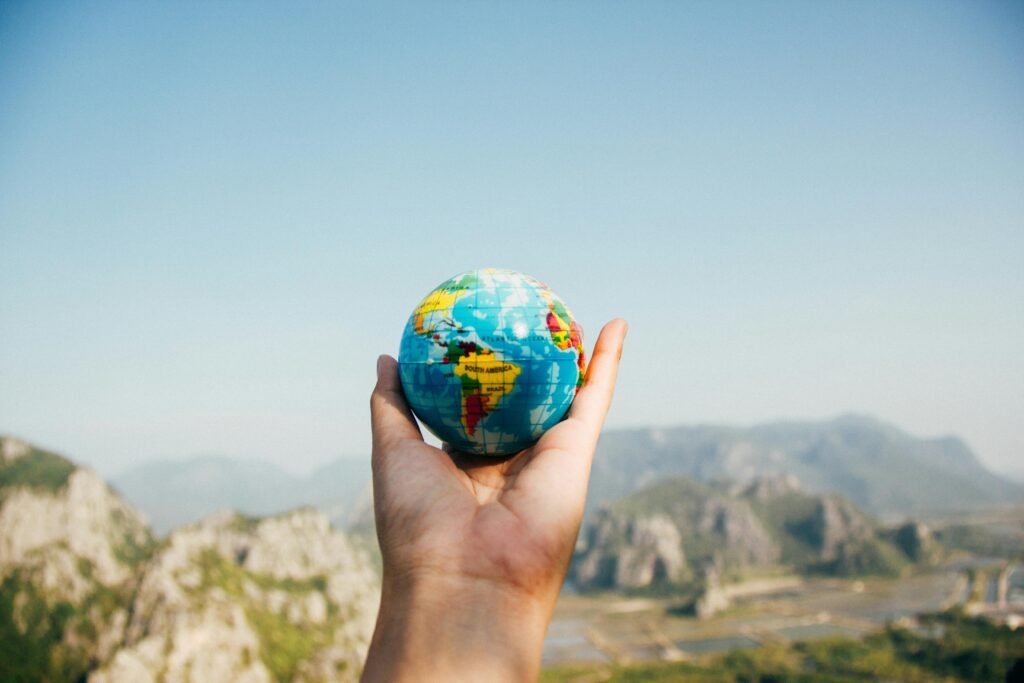
The Shift From Sightseeing to Experience
Traditional travel once focused on famous landmarks and packed itineraries. While iconic attractions still hold value, today’s travelers seek experiences that feel authentic and personal.
Instead of rushing through destinations, people want to understand them. They walk through local neighborhoods, learn regional customs, and observe everyday life. A morning coffee at a small café or a conversation with a local resident often becomes more memorable than a crowded tourist site.
This shift allows travel to feel immersive rather than performative. Experiences replace checklists, and connection replaces comparison.
Traveling With Curiosity and Openness
Curiosity is the heart of purposeful travel. It encourages travelers to explore without assumptions and approach new cultures with respect. Every destination has its own rhythm, values, and traditions, and understanding them requires patience and openness.
Travelers who ask questions, listen, and observe often gain deeper insights than those who rely solely on guides or social media. This mindset transforms travel into a learning journey, fostering cultural awareness and mutual respect.
Openness also allows space for unexpected moments—those unplanned experiences that often become the most meaningful memories.
The Emotional Impact of Travel
Travel leaves a lasting emotional imprint. New environments stimulate creativity, reflection, and emotional growth. Stepping away from familiar surroundings creates mental space to think differently and gain perspective.
Many travelers return home with renewed clarity, inspiration, or confidence. Travel challenges comfort zones, encouraging self-discovery through unfamiliar experiences. Whether navigating a new city or adapting to cultural differences, each challenge builds resilience.
These emotional benefits make travel more than leisure—it becomes a form of personal development.
Nature Travel and Inner Balance
As modern life becomes increasingly digital, travelers are drawn to nature for balance and restoration. Mountains, oceans, forests, and open landscapes offer calm and grounding experiences that contrast with fast-paced urban life.
Nature-based travel encourages mindfulness. Activities like hiking, camping, or simply observing natural surroundings help travelers reconnect with simplicity and presence. Many find clarity and peace in environments untouched by constant noise and screens.
This connection with nature reinforces the idea that travel can support mental well-being as much as adventure.
Supporting Local Communities Through Travel
Purposeful travel includes responsibility. Travelers are becoming more aware of their impact on local communities and environments. Supporting local businesses, artisans, and accommodations helps sustain regional economies and preserve cultural identity.
Choosing locally guided experiences, handmade products, and family-owned restaurants ensures that tourism benefits the people who call the destination home. This approach creates positive exchange rather than exploitation.
Responsible travel strengthens communities while offering travelers richer, more authentic experiences.
Food as a Cultural Bridge
Food plays a powerful role in connecting travelers with culture. Local cuisine reflects geography, history, and tradition. Sharing meals opens doors to conversation, storytelling, and understanding.
From street food to home-cooked meals, food experiences allow travelers to connect beyond language. Visiting markets, learning recipes, or participating in food traditions offers insight into daily life and cultural values.
Food-centered travel creates memories rooted in taste, aroma, and shared moments—often lasting longer than photographs.
Solo Travel and Independence
Solo travel has become increasingly popular as people seek freedom and self-connection. Traveling alone allows individuals to move at their own pace, follow personal interests, and make spontaneous decisions.
Solo journeys encourage confidence and independence. Without familiar support systems, travelers rely on intuition and adaptability. These experiences often lead to personal growth and a stronger sense of self.
Solo travel also fosters connection, as openness invites interaction with locals and fellow travelers alike.
Balancing Technology and Presence
Technology has made travel more accessible and convenient. Navigation apps, online bookings, and translation tools simplify exploration and reduce uncertainty. Social platforms inspire destinations and help travelers share stories.
However, purposeful travelers are learning to balance technology with presence. They use digital tools to support journeys, not dominate them. Many choose to disconnect intentionally, allowing space to fully experience surroundings without distraction.
This balance ensures that travel remains a lived experience rather than a curated one.
Creating Meaningful Travel Memories
The most memorable travel moments are rarely planned. Unexpected detours, shared laughter, quiet reflections, and small discoveries often leave the deepest impressions.
Purposeful travel values these moments over perfection. It embraces uncertainty and allows journeys to unfold naturally. Memories are shaped by emotion, connection, and experience—not perfection.
These memories become part of who we are, influencing how we view the world and ourselves.

Conclusion: Why Purposeful Travel Matters
Travel with purpose transforms exploration into connection. It encourages mindfulness, empathy, and growth while fostering respect for people and places. In a world driven by speed and consumption, purposeful travel offers a meaningful alternative.
It reminds us that the value of travel lies not in distance or luxury, but in understanding, presence, and shared humanity.
When approached with intention, travel doesn’t just show us the world—it helps us understand our place within it.