

Travel has always been part of the human story. Long before modern transportation and digital maps, people journeyed in search of food, knowledge, connection, and purpose. In today’s world, travel has become easier, but its true value remains unchanged. Travel changes the way we see the world—and more importantly, how we see ourselves.
Beyond beautiful landscapes and famous landmarks, travel offers moments of reflection, growth, and transformation. Each journey becomes a collection of experiences that shape our understanding of life beyond familiar boundaries.

Travel as an Escape From Routine
Daily life often follows predictable patterns. Work schedules, responsibilities, and routines create structure, but they can also limit perspective. Travel interrupts this rhythm, offering a break from repetition.
When traveling, even small decisions feel new—choosing a route, tasting unfamiliar food, or learning local customs. These moments awaken curiosity and presence. Without the pressure of routine, the mind becomes more open, creative, and receptive to change.
This temporary escape allows travelers to return home with renewed energy and clarity.
Learning Through Experience, Not Observation
Travel teaches lessons that books and screens cannot. Experiencing a place firsthand creates understanding that goes beyond facts. Walking through historic streets, observing daily rituals, and interacting with locals offers insight into how people live and think.
Every culture has its own values, pace, and traditions. Travel encourages respect and appreciation for these differences. It reminds us that no single way of life is universal.
These experiences help travelers develop empathy and awareness, qualities that stay long after the journey ends.
The Power of Unplanned Moments
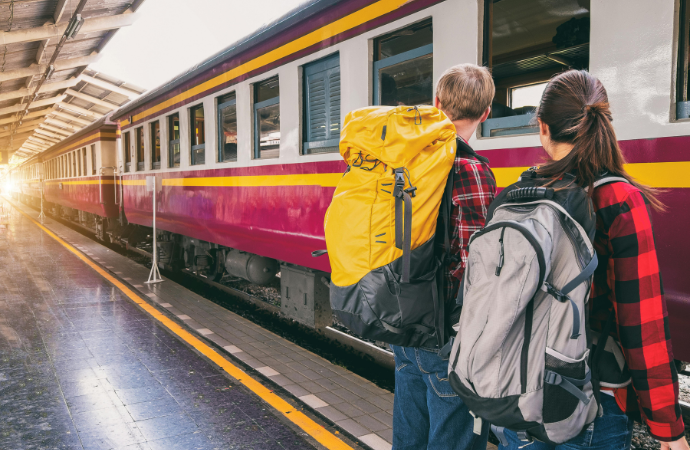
Some of the most memorable travel experiences are unplanned. A missed train, a sudden rainstorm, or an unexpected conversation can lead to moments that define a journey.
Unplanned experiences teach flexibility and patience. They encourage travelers to let go of control and embrace uncertainty. Often, these moments lead to the most authentic memories—ones not found in guidebooks or itineraries.
Travel teaches that perfection is not required for meaning.
Connection Beyond Language
One of the most beautiful aspects of travel is the ability to connect without shared language. Gestures, expressions, kindness, and hospitality often communicate more than words.
A smile from a stranger, help from a local, or shared laughter over a meal creates bonds that transcend cultural differences. These interactions remind travelers of shared humanity and universal emotions.
Travel shows that connection is possible anywhere, even without familiarity.
Nature’s Role in Transformative Travel
Natural landscapes play a powerful role in shaping travel experiences. Mountains, oceans, forests, and open skies create a sense of awe that is difficult to replicate elsewhere.
Being surrounded by nature encourages reflection and humility. It reminds travelers of their place in the world and the importance of balance. Many find peace and perspective through nature-based travel, away from noise and digital distractions.
These moments foster mindfulness and appreciation for the planet.
Food as a Story of Place
Food is an essential part of travel, offering insight into a destination’s history and culture. Local cuisine reflects climate, tradition, and community.
Sharing meals introduces travelers to daily life in a way few other experiences can. Markets, family-run restaurants, and street food stalls provide opportunities to connect and observe cultural traditions.
Food experiences often become some of the most cherished travel memories.
Solo Travel and Self-Reliance
Traveling alone offers a unique form of self-discovery. Without familiar support systems, solo travelers rely on intuition, confidence, and adaptability.
Solo journeys encourage independence and self-trust. They allow travelers to follow personal interests and reflect without distraction. Many find that traveling alone strengthens decision-making and emotional awareness.
Solo travel is not about isolation—it’s about connection with oneself and the world.
Respecting Places We Visit
Responsible travel is essential in preserving destinations for future generations. Respecting local customs, environments, and communities ensures that travel remains positive for both visitors and residents.
Simple actions—supporting local businesses, reducing waste, and observing cultural etiquette—make a meaningful difference. Travelers play a role in protecting the places they enjoy.
Travel becomes more meaningful when approached with care and respect.
Bringing Travel Lessons Home
The true impact of travel often becomes clear after returning home. New perspectives influence how people approach daily life, relationships, and challenges.
Travel teaches patience, adaptability, and gratitude. It encourages curiosity and openness. These lessons shape personal growth long after the journey ends.
Travel does not end when the trip does—it continues through reflection and memory.

Conclusion: The Lasting Value of Travel
Travel is not defined by distance or luxury, but by experience and understanding. It challenges comfort zones, builds connections, and fosters appreciation for diversity.
Every journey offers an opportunity to learn, grow, and connect—with the world and with ourselves. Travel reminds us that beyond borders and differences, shared humanity unites us all.
In the end, travel doesn’t just show us new places—it helps us see life from a wider, more meaningful perspective.